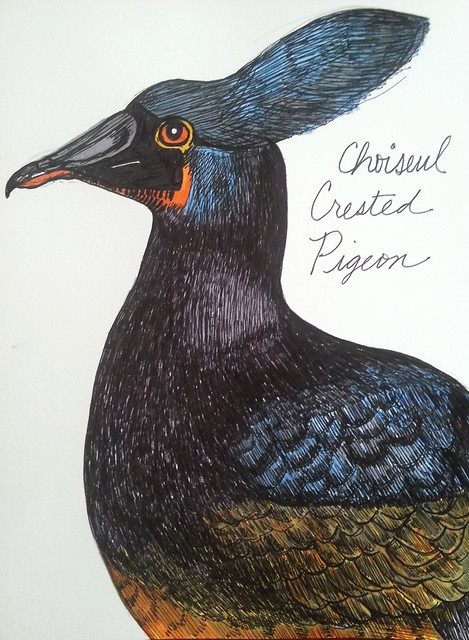
Described as having a beautiful rising and falling whistling call. From Choiseul, one of the Solomon Islands off the coast of New Guinea. Choiseul had no carnivorous mammals (other than man, who sometimes hunted it for food) before the introduction of feral cats by visitors to the islands; the indigenous population on the island told researchers that the pigeon was wiped out by these cats.   It was apparently very tame and would let local hunters approach it and pick it off its perch by hand.

The last unconfirmed report of a Choiseul Pigeon was in the early 1940s.


Training. I’m still getting used to the whole “running in the evening” thing. My left foot has a touch of plantar fasciitis, the spelling of which freaks me out. Double i’s? I wake up Tuesday morning starving and tired and hobbling. I feel slower than last year, but can’t tell for sure until it gets cooler. The pictures are pretty, though:

long runs

longer run

longer runss

Gowanus Long runsmaster of the universe run


governors island studio wall

This is what wall #1 of the studio on Governors Island looks like so far.

governors island studio wall 2

This is what the other looks like. I’m there Sundays and Mondays for now, at the Center the rest of the week, and on Mondays after leaving the island I do this:

Manhattan Bridge run

Go on a long run in preparation for the NYC Marathon. Last night was 15 miles. It’s a bit much, and come Tuesday morning I’m noticeably stupider than normal. But right after I’m done? I have the heart of a lion.

I’m working on free! informational! pamphlets, hopefully a few different ones, in slightly smaller, new-and-different formats, in the hopes of distributing some to a captive audience at the open studio events that LMCC has planned. I’ve got one started already and plans for another are underway. I’m not sure if these are going to be all letterpress, all the time, (probably not), and they will be slightly less complex that the final one I’ll mail out at the end of the year, but I think they will be nice, and they are a place to put all the extra research that doesn’t really fit with the main storyline. Which will remain a secret, but rest assured that it will be awesome.

Oh, and the birds? They’re still coming, though slower than before, but I am chipping away at that in the evenings the rest of the week. I’m not a sprinter, after all, and it’s not a race. My time right now is almost completely scheduled, which is very productive, and mostly full of things I want to do, but it’s a lot.

In case you’re wondering what the first new mini-pamphlet will be about, it’s about this, which might be a portrait of Lord Cornbury, former colonial governor of New York and New Jersey, or else just a random homely Englishwoman. Lord Cornbury build a pleasure house on Governor’s Island at the beginning of the eighteenth century, which sounds a lot more decadent than it probably was.


governor's island

I get to watch boats sail by while working. More soon.


Guess what I get to do for the next five months?
View from Ferry

Take a boat to my studio!

I’m one of the artists in this session of the LMCC Swing Space residency on Governor’s Island. I’ll have space there till the middle of December to work on new and exciting free informational pamphlets. I just started this weekend and it’s glorious.

Governor's Island

I love that I can go there during the week when it’s not open to the public. I remember that the first summer it was open, I went and was amazed by the abandoned ghost town quality of the place, which is disappearing now, what with the dance parties and teeming crowds of families and the carnival rides. But it’s quieter during the week, even with construction and rehabilitation of the old buildings going on.

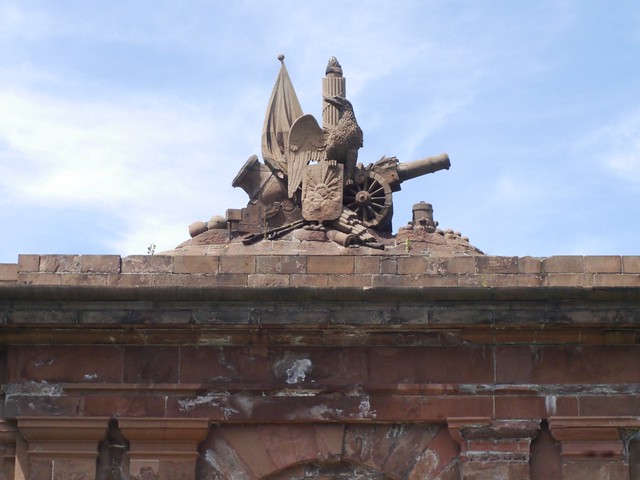
Here’s some photos of the buildings on the island leftover from its time as a military base:


piopio drawing

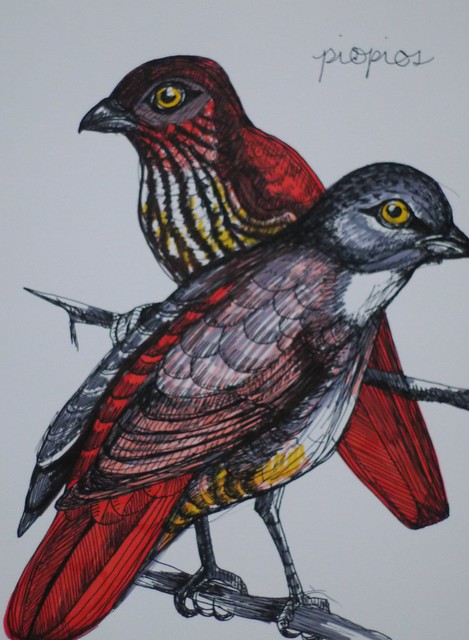
From New Zealand. They liked the forest floor and rooting around in underbrush. They built nests like little cups in trees only a few feet away from the ground. Piopios had a beautiful call, and also often mimicked the call of other birds as well.

Two things did away with them: deforestation, and the introduction of new predators, particularly rats. The islands of New Zealand were relatively isolated and had no native mammals other than bats, which is why the nation is famous for the wide diversity of unique birds that evolved there. New Zealand was a land of birds until settlement by outsiders and when Captain James Cook arrived in the 1770s he described the bird song as deafening. Today the strange, almost blind, flightless kiwi is a national symbol of New Zealand and New Zealanders.

European settlement  in the 19th century brought a lot of change to the island: hunting, clearing of the forest for farming, industrialization, rats and other mammals, and many kinds of birds, almost a third of the original number of species, did not make it through. The last verified North Island Piopio was shot in 1902, although people claimed to have spotted ones as late as the 1970s. The South Island Piopio was last recorded in 1905.


Collectors in the nineteenth century weren’t just interested in raiding nests for eggs, or collecting birds to be kept on mantelpieces. There was also the exploding market for hats with birds on them:

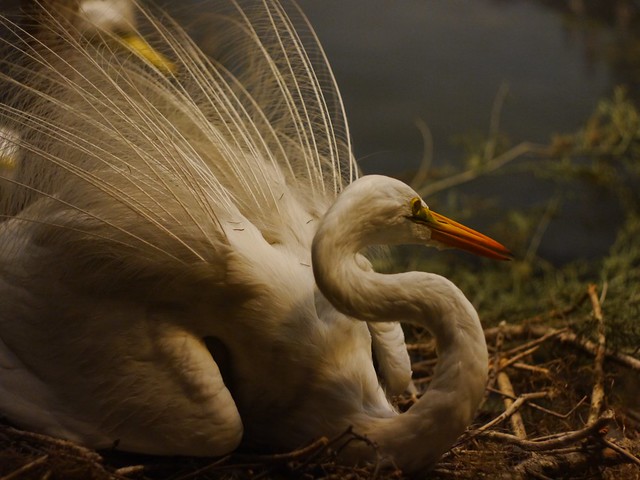
Hats adorned with real feathers, wings, and stuffed whole wild birds were the height of fashion in the late-19th century. Woodpeckers, blue jays, waxwings and quails: all were popular adornments, but most prized were ostrich, peacocks, pheasants, egrets, vultures, eagles, swans, herons, and turkeys, all coveted for their dramatic plumage.

The trade was fairly merciless. Hunters would kill and skin adult egrets during breeding season (when their wispy feathers were particularly attractive) and leave the orphaned nestlings to starve to death. The millinery trade took a tremendous toll on bird populations – 200 million wild birds per year by some estimates. Numbers of the most hunted species declined quickly.
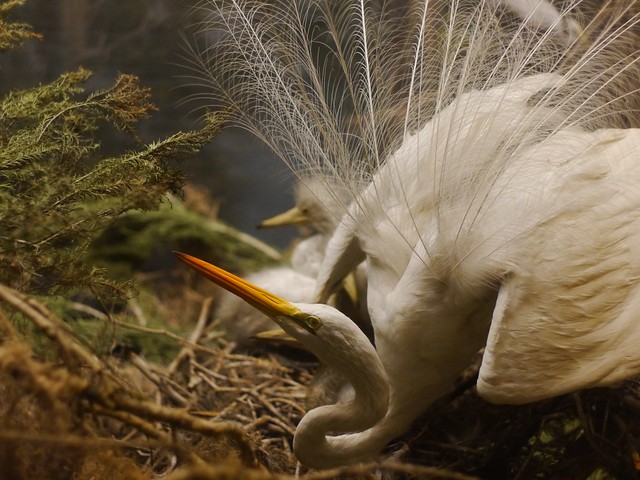
New York and London were two main centers of the trade in feathers. Colonial expansion across the globe and the exploration of foreign lands had brought new and exotic specimens to the European marketplace throughout the century. New York was one of the places that helped bring these new specimens to Europe, including previously unknown varieties of birds, fuelling the fashionable demand for feathers, wings and even entire birds as decoration.

In the US, two women banded together to fight the slaughter. Two Boston Socialites, Harriet Hemenway and her cousin Minna Hall, started a boycott of the trade, which gained steam due to their social connections. They sent out circulars protesting the practice and hosted tea parties where they educated their guests about the cost to bird life. Their tea parties grew in popularity and culminated in the founding of the Massachusetts Audubon Society, and later, passage of the Weeks-McLean Law, also known as the Migratory Bird Act, by Congress on March 4, 1913. The law banned market hunting and the interstate transport of birds.

There’s a fascinating online exhibition here called Fashioning Feathers, if you’re interested. There’s also a great article here by the always entertaining Lapham’s Quarterly.

In honor of this week’s heat wave, I bring you some fresh-off-the-press news.

Bam! New Pamphlet, in the mail, despite the fact that I think I’m getting a heat rash.

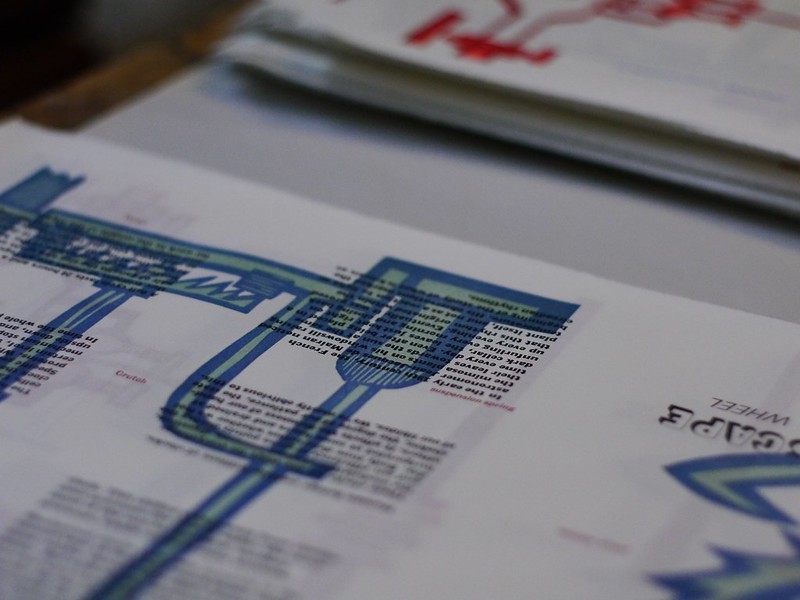
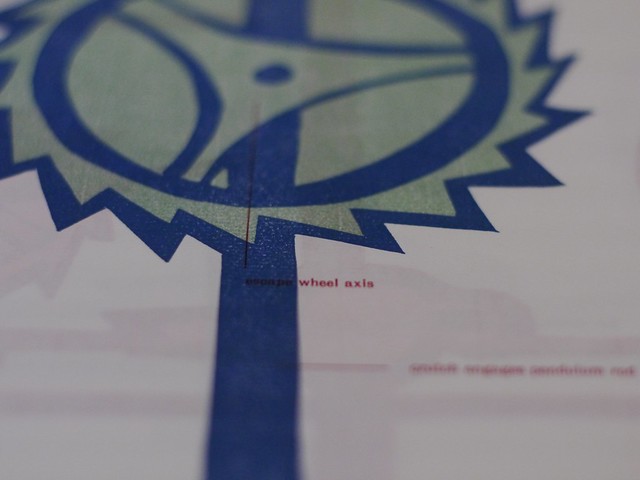
Escape Wheel is the New Informational Pamphlet for Summer 2013. Escape Wheel concerns time: biological, mechanical, relative, and narrative. Why don’t you go to work in the middle of the night? Why don’t we still use water clocks? Who’s more useful, an inarticulate engineer or a dodgy astronomer? What is a sextant? And many other pressing questions, both of our time and the times of others. Includes diagrams, rants, and useful knowledge for many occasions.

And that’s not even all! I bring you the new home of all things pamphlet-related:

www.brainwashingfromphonetowers.com

Yep, my babies have their own home now. Come on by for occasional paranoid rants and old-timey technological excursions by your very own contemporary pamphleteer. I made it myself!


So, as I’ve mentioned, I am slowly working on a field guide to extinct birds, partly because  paper field guides are one of the kinds of printed books that are probably going to disappear (like dictionaries, encyclopedias, atlases, travel guides, etc.) to be replaced by easily portable, easily updated apps. One of things that apps are better at is recording and communicating birdsong. I love the ways that writers have translated birdsong into printed language. (See here.) But if what you want to do is figure out, what is that bird over there? And quickly, before it flies away? Then print is probably not the best option at this point.
Then I read this, and remembered that all the fancy technology in the world doesn’t solve our tendency to be jackasses. (and often it just highlights it). What happens if bird sanctuaries have to ban mobile apps?

(Mobile app causing harm to birds.)


After Audubon, ornithology began to take shape as a field of study. As an example, one of his protegees, Spencer Fullerton Baird, helped to create and direct the National Museum of Natural History for the Smithsonian. Baird cultivated a far-flung network of collectors and ornithologists who sent him specimens of birds. Many of them were US Army officers patrolling the frontier, since they had access to the most remote areas of the country.

Academic ornithologists collected specimens of all kinds of birds for museum collections. As collection-based ornithology progressed, it permitted more accurate identification of birds in the field. And ornithologists were rabidly interested in acquiring the rarest specimens they could. They were encountering hundreds of new species, and without any published material like field guides to help them sort out one kind from another. Binoculars were primitive, and the only way to sift through the confusion, the species and subspecies, was to collect and scrutinize specimens.

But just in case you weren’t clear on this point: specimens were birds that were shot, and then stuffed. Sometimes these birds were common and abundant, and sometimes they were rare and endangered. The rarer the bird, the higher the price a museum collection would pay for it, so that their collection would be as complete as possible.

The nineteenth century is famous for its mania for natural history collections. When it came to birds, not only ornithologists and museums, but all kinds of people collected specimens of birds, which fueled a whole class of professionals who made a living collecting birds and their eggs.


Victorian homes often included “glass bird cages”: small arrangements of a couple dozen stuffed songbirds, both adults and babies, mounted on branches and displayed under a glass dome that sat on a shelf.  Taxidermy shops cranked out work like this to meet the growing demand, usually using whatever local species were around. But often for a handsome price you could upgrade and fill your mantel with a collection of glittering South American hummingbirds.

Eggs were the focus of the most extreme kind of collecting obsession. Oology, the study and collection of eggs carefully blown clean of their contents, was a genuine rage in North American and Europe in the late nineteenth and early twentieth centuries. Oologists were tremendously competitive and each aimed to assemble the most complete collections. Eggs were usually taken not one at a time, but in entire clutches from the nest.
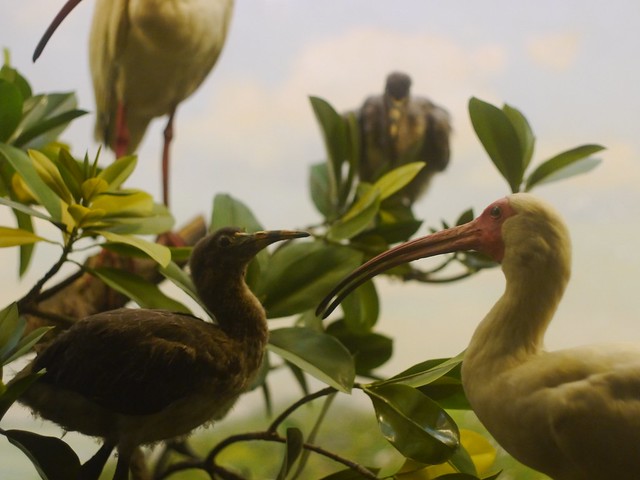
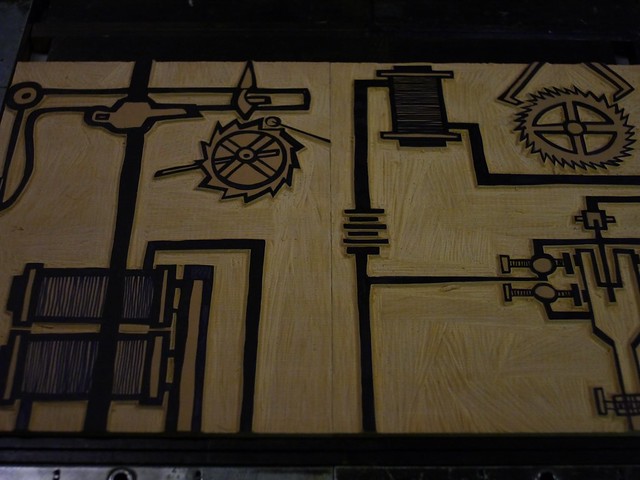
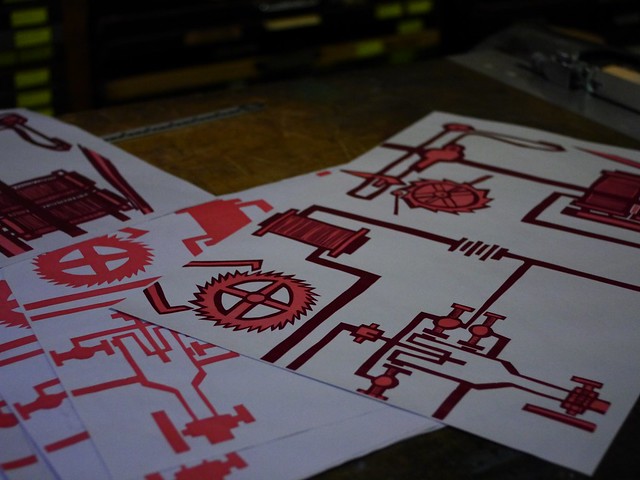
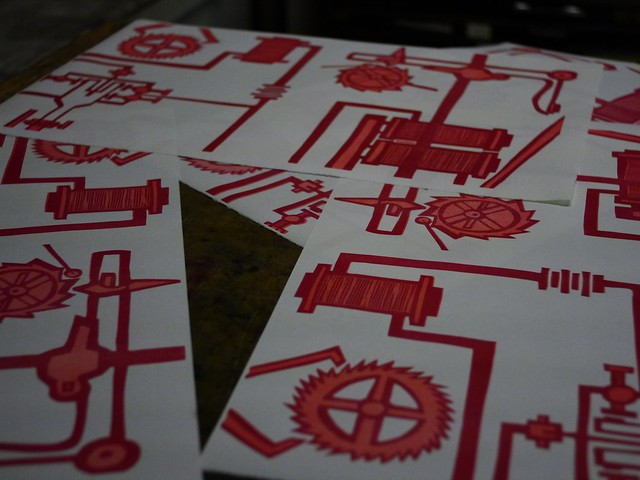
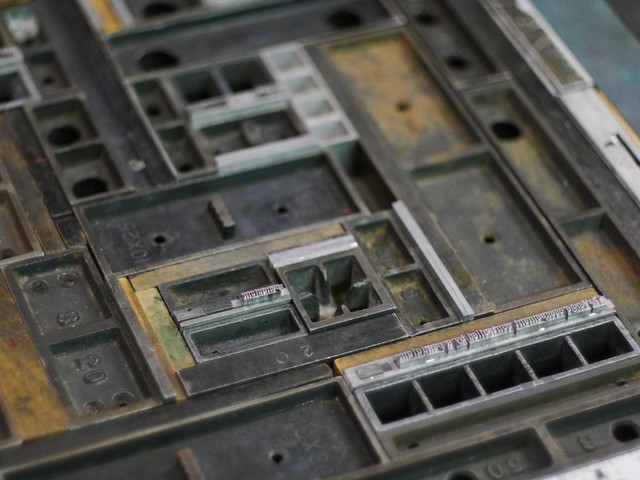
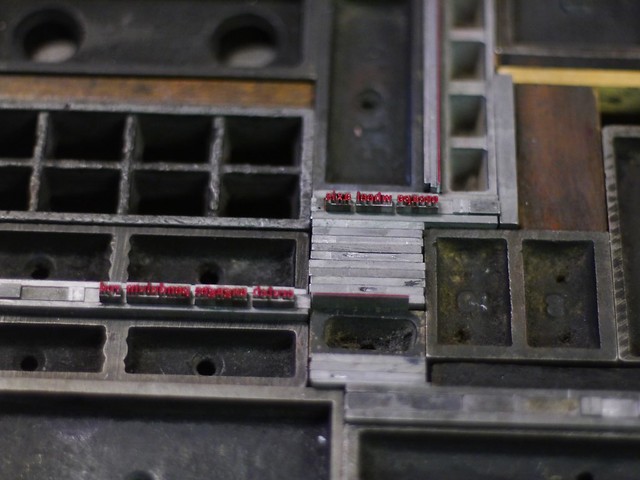
New Pamphlet in the Works: two runs down, innumerable ones to go. Everything else is somewhat on hold in the meantime.


@